Container Homes in Bang Bon: A Practical Guide for Buyers and Builders
- Container Homes in Bang Bon: A Practical Guide for Buyers and Builders
The rising interest in alternative housing solutions has brought container homes in Bang Bon into the spotlight. As more residents in this district of Bangkok look for efficient, cost-effective, and modern living spaces, shipping container architecture offers a compelling path forward. However, transitioning from a shipping crate to a habitable residence requires a nuanced understanding of logistics, local regulations, and structural engineering. This guide provides a technical and practical roadmap for navigating the unique landscape of container construction in the Bang Bon area.
container homes in Bang Bon: Understanding the Appeal of Container Architecture in Bangkok
The primary allure of container homes lies in their modularity and speed of construction. Unlike traditional brick-and-mortar builds, containers provide a pre-existing structural shell. For builders in Bang Bon, where site accessibility can vary, the ability to pre-fabricate modules off-site and transport them to the plot significantly reduces on-site labor time and material waste.
Before purchasing a container, you must engage with the Bangkok Metropolitan Administration (BMA) building codes. While container homes are innovative, they must still comply with the Building Control Act. In Bang Bon, as in the rest of Bangkok, you are required to obtain a building permit for any permanent structure.
- Structural Certification: Ensure your design is signed off by a licensed Thai structural engineer (Sor Wor).
- Foundation Requirements: Even though containers are modular, they require a stable concrete foundation to prevent settling or uneven weight distribution.
- Drainage & Site Planning: Bang Bon experiences significant rainfall; your site plan must account for proper drainage around the foundation to prevent rust and moisture ingress.
Technical Considerations for Tropical Climates
Building container homes in Bang Bon presents specific challenges regarding heat management. Steel is a highly conductive material, meaning that without proper intervention, your home can quickly become a heat trap. Effective thermal management is not optional; it is a structural requirement for livability.
| Strategy | Method | Effectiveness |
|---|---|---|
| Insulation | Spray foam or mineral wool | High (prevents heat transfer) |
| Ventilation | Cross-ventilation & ceiling fans | Medium (promotes airflow) |
| External Shading | Overhanging roofs or louvers | High (blocks direct solar gain) |
| Reflective Coating | Ceramic heat-reflective paint | Medium (reduces surface temp) |
The Construction Process: Step-by-Step
Building a container home is distinct from standard construction. The process relies heavily on precision engineering before the container ever reaches your site.
- Site Assessment: Evaluate the soil stability and road access. Can a flatbed truck reach your plot in Bang Bon?
- Container Selection: Choose between ‘one-trip’ containers (nearly new) or ‘used’ cargo containers. For residential projects, one-trip containers are strongly recommended to avoid structural fatigue and chemical contamination.
- Modification & Reinforcement: Steel is removed to create windows and doors, which weakens the frame. Welding reinforcement beams is critical to maintaining structural integrity.
- Utility Integration: Integrate plumbing, electrical, and HVAC conduits into the walls before sealing with insulation and interior paneling.
- Finishing: Apply protective coatings to the exterior to prevent corrosion and install roofing systems to provide additional thermal protection.
Common Pitfalls to Avoid
Many aspiring builders underestimate the complexity of container home projects. One common mistake is failing to treat the steel properly. If the original paint is compromised or the metal is left exposed to humidity without a proper primer, corrosion will occur rapidly in Bangkok’s climate. Another frequent oversight is failing to account for the ‘living space’ loss when adding thick insulation layers to the interior. Always calculate your net interior dimensions carefully during the design phase.
Conclusion
Creating container homes in Bang Bon is a rewarding challenge that balances modern aesthetics with functional efficiency. By prioritizing professional structural engineering, high-quality insulation, and strict adherence to local building codes, you can build a home that is both sustainable and comfortable. Whether you are a first-time buyer or an experienced builder, the key to success lies in meticulous planning and respecting the unique properties of steel construction in a tropical environment.
Frequently Asked Questions (FAQ)
Do I need a building permit for a container home in Bang Bon?
Yes. In Thailand, any permanent structure, including container homes, requires a building permit from the local district office (Khet). You must submit architectural and structural drawings signed by licensed professionals.
Are container homes in Bang Bon safe from rust?
Steel is susceptible to corrosion, especially in humid climates. However, with proper surface preparation, high-quality anti-corrosive marine-grade paint, and regular maintenance, you can effectively prevent rust for many years.
What type of foundation is best for a container home?
A reinforced concrete slab foundation or concrete pier footings are standard. The choice depends on your specific soil conditions and the weight of your container structure. Consult a local structural engineer for the appropriate foundation design.
Can I stack shipping containers?
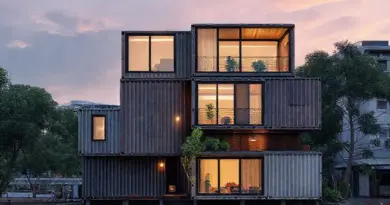
Yes, shipping containers are designed to be stacked. However, when converting them into homes, the structural modifications (cutting windows and doors) require careful reinforcement to ensure the structure can support the weight of the levels above.
References
Bangkok Metropolitan Administration (BMA) Building Control Guidelines
Council of Engineers Thailand (Engineering Standards)