Prefab Homes in Nong Chok: A Complete Local Guide
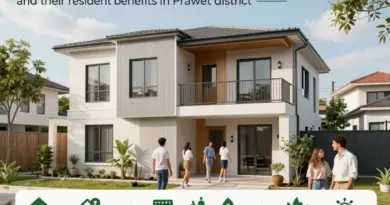
As Bangkok continues to expand, many residents are looking toward the quieter, greener outskirts like Nong Chok for their dream home projects. If you are exploring modern, efficient living, prefab homes in Nong Chok have emerged as a compelling alternative to traditional brick-and-mortar construction. This guide explores why modular housing is gaining traction in this district, the practical steps to getting started, and what you need to consider before breaking ground.
Why Choose Prefab Homes in Nong Chok?
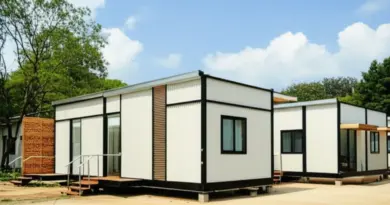
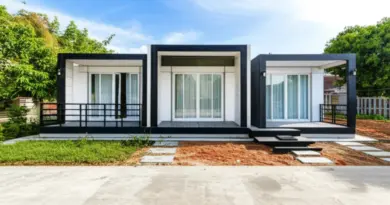
Nong Chok, known for its spacious plots and agricultural heritage, offers a unique environment where space is abundant. Unlike the cramped inner-city neighborhoods, Nong Chok provides the luxury of larger land parcels, making it the perfect setting for modular or prefab homes. These homes are manufactured in a controlled factory environment and transported to your site, ensuring high precision and significantly reducing construction waste.
Key Considerations Before You Build
While the appeal of prefab homes in Nong Chok is clear, it is essential to approach the project with a solid plan. Building regulations in Thailand can be complex, and even though the home is modular, it still must comply with all local building codes and zoning laws.
1. Land Suitability and Soil Conditions
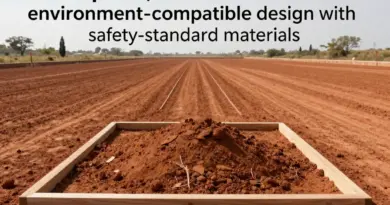
Nong Chok’s terrain can be soft, given its history as agricultural land. Before finalizing your prefab design, you must conduct a thorough soil test. Modular homes require a solid foundation, which might involve piling depending on the specific location of your land to prevent sinking or structural instability over time.
2. Logistics and Transportation
One of the often-overlooked aspects of prefab housing is the transport of large modules. You need to ensure the roads leading to your specific plot in Nong Chok are wide enough for the delivery trucks and cranes required for assembly. Narrow soi access can turn a dream project into a logistical nightmare.
Comparison: Traditional vs. Prefabricated Homes
| Feature | Traditional Construction | Prefabricated Homes |
|---|---|---|
| Construction Speed | Slow (6-12 months) | Fast (2-4 months) |
| Cost Predictability | Variable (often exceeds budget) | Fixed (factory-set costs) |
| Waste Management | High on-site waste | Low factory waste |
| Customization | Highly flexible | Modular (limited by design) |
Steps to Successfully Deploy Your Prefab Home
- Site Assessment: Check access roads and soil quality.
- Permit Acquisition: Ensure your plans are approved by the local Nong Chok District Office.
- Utility Planning: Coordinate electricity, water, and sewage connections early.
- Foundation Preparation: Complete the concrete foundation before the modules arrive.
- Assembly and Finishing: Finalize interior connections and landscaping.
Choosing the Right Contractor
Do not rush into selecting a manufacturer. Look for companies that have a proven track record in the Bangkok metropolitan area. Ask for references, visit their factory if possible, and specifically ask about their experience delivering to the outskirts of Bangkok. A reliable partner will handle not just the manufacturing, but also the logistics of transporting the home safely to Nong Chok.
Conclusion
Prefab homes in Nong Chok represent a modern, efficient way to build a home in one of Bangkok’s fastest-growing districts. By prioritizing thorough site planning, working with experienced contractors, and understanding the local logistical requirements, you can enjoy the benefits of faster construction and high-quality finishes. Whether you are looking for a weekend retreat or a permanent family home, modular construction is a path worth exploring.
Frequently Asked Questions (FAQ)
A: Yes, modern prefab homes are engineered to withstand Thailand’s tropical climate, including humidity and seasonal rains, provided they are built with appropriate insulation and high-quality materials.
A: Absolutely. Even though the structure is prefabricated, it is classified as a permanent dwelling and must adhere to all local Thai building regulations and zoning laws.
A: Once the foundation is ready and the modules arrive, the main assembly typically takes between 1 to 3 weeks, depending on the size and complexity of the home.