Container Homes in Dusit: A Practical Guide to Urban Living
- Container Homes in Dusit: A Practical Guide to Urban Living
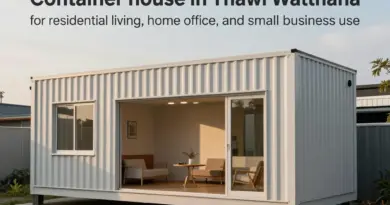
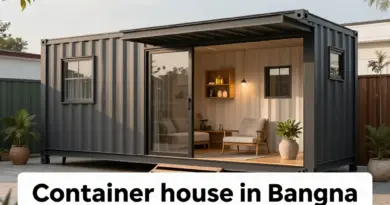
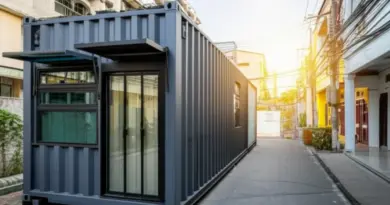
The pursuit of sustainable, affordable, and flexible housing has brought container homes in Dusit to the forefront of urban architectural discussions. For technology enthusiasts and modern homebuilders, the concept of repurposing industrial shipping containers into habitable spaces offers a unique blend of efficiency and industrial aesthetics. As Dusit continues to evolve as a district that balances historic charm with modern urban density, understanding the practicalities of modular construction is essential for anyone considering this path.
container homes in Dusit: The Appeal of Container Living in an Urban Context
Urban living, particularly in a vibrant district like Dusit, presents unique challenges, including land scarcity and high construction costs. Container architecture addresses these by providing a modular framework that is relatively quick to assemble. Unlike traditional concrete structures, containers offer a lightweight yet durable alternative that can be prefabricated off-site, reducing noise and disruption in established neighborhoods.
Why Choose Container Homes?
- Sustainability: Repurposing steel containers significantly reduces the carbon footprint associated with new construction materials.
- Speed of Construction: Prefabrication allows for simultaneous site preparation and module fabrication, cutting project timelines by weeks or months.
- Durability: Originally designed to withstand harsh maritime environments, these units are inherently weather-resistant and secure.
Key Considerations for Dusit Property Development
Before diving into a project involving container homes in Dusit, it is critical to navigate the regulatory and environmental landscape. Dusit is known for its cultural heritage and specific zoning ordinances that may affect non-traditional building methods.
| Factor | Traditional Construction | Container Home Construction |
|---|---|---|
| Permitting | Standard process | May require specialized structural approval |
| Thermal Efficiency | High (with insulation) | Requires high-grade insulation |
| Flexibility | Limited post-construction | Highly modular/expandable |
| Environmental Impact | High waste | Low waste (recycling focus) |
Regulatory and Zoning Compliance
Designing for the Tropical Climate
The primary technical challenge for container homes in Dusit is managing heat gain. Shipping containers are essentially giant metal boxes that conduct heat rapidly. To make them livable in Bangkok’s tropical environment, passive design strategies are non-negotiable.
- Advanced Insulation: Utilize spray foam or mineral wool insulation to create a thermal break between the metal shell and the interior walls.
- Ventilation: Incorporate cross-ventilation strategies and high-efficiency HVAC systems to manage humidity and temperature.
- Roof Overhangs: Build a secondary roof structure over the containers to provide shade and reduce direct solar radiation on the steel roof.
Practical Checklist for Your Container Project
Embarking on a container home build requires meticulous planning. Follow this checklist to ensure your project stays on track:
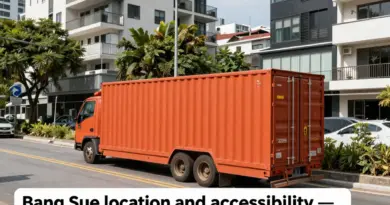
- Site Access: Verify that heavy-duty trucks and cranes can access your plot in Dusit for delivery.
- Structural Integrity: Ensure the foundation (piers or concrete slab) is designed to support the weight, especially if stacking containers.
- Utility Integration: Plan for plumbing and electrical routing early; running utilities through steel walls is more complex than in wood or brick.
- Corrosion Protection: Apply marine-grade paint and anti-rust treatments to extend the lifespan of the steel structure.
Conclusion
Container homes in Dusit represent a fusion of industrial pragmatism and modern lifestyle aspirations. While the path involves navigating specific regulatory and thermal challenges, the result is a unique, sustainable, and highly personalized urban dwelling. By prioritizing professional engineering and thoughtful insulation, homeowners can successfully leverage this modular technology to create a home that stands out in the heart of the city.
Frequently Asked Questions (FAQ)
Yes, but they must comply with the Building Control Act and local zoning regulations. It is essential to submit plans to the local district office for approval before starting any construction.
Not if designed correctly. Proper insulation (like spray foam), adequate ventilation, and shading devices are essential to keep the interior temperature comfortable in a tropical climate.
Yes, containers are designed to be stacked. However, you will need a structural engineer to ensure the foundation and the corner posts are reinforced correctly to handle the structural load.