Knockdown Cafes in Dusit: A Practical Guide to Stylish Modular Coffee Shops
The coffee culture in Bangkok is evolving rapidly, and for aspiring entrepreneurs looking to enter the market, knockdown cafes in Dusit have become a compelling solution. Dusit, a district known for its blend of historical architecture and modern urban lifestyle, offers unique opportunities for modular coffee shop setups. Whether you are aiming for a minimalist aesthetic or a cozy, rustic vibe, modular construction provides a fast, efficient, and surprisingly stylish path to opening your doors.
knockdown cafes in Dusit: Why Choose Knockdown Construction for Your Coffee Shop?
Modular construction, often referred to as ‘knockdown’ or ‘prefab’ building, involves manufacturing components off-site and assembling them at the final location. In a bustling area like Dusit, where space can be premium and zoning regulations are strict, this method offers significant advantages. Unlike traditional concrete-and-mortar builds, knockdown cafes minimize on-site waste, reduce noise pollution for the neighborhood, and drastically shorten the construction timeline.
Key Benefits of Modular Coffee Shops in Urban Environments
Efficiency is the hallmark of modern modular design. For business owners, time is capital. A knockdown cafe can often be operational in weeks rather than months. Additionally, these structures are inherently flexible; if your lease changes or you need to relocate to a better spot within the district, the structure can often be disassembled and moved, protecting your initial investment.
| Feature | Traditional Build | Knockdown/Modular |
|---|---|---|
| Construction Speed | Slow (Months) | Fast (Weeks) |
| Cost Predictability | Low (Risk of overruns) | High (Fixed factory pricing) |
| Flexibility | Permanent | Relocatable |
| Site Disruption | High | Minimal |
Designing Your Stylish Modular Space
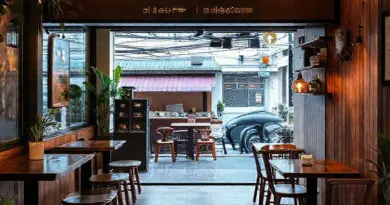
Design is where the ‘stylish’ aspect of knockdown cafes in Dusit truly shines. Modern modular units are no longer just utilitarian boxes. With the use of glass facades, sustainable wood paneling, and industrial-grade steel, you can create a high-end aesthetic that fits perfectly into Dusit’s eclectic architectural landscape. Focus on optimizing the flow of your baristas and the comfort of your patrons. Large windows can bring in natural light, making even a compact modular unit feel spacious and welcoming.
Essential Planning Checklist for Your Cafe
- Site Survey: Verify the land zoning and utility connections (water, electricity, drainage) in your chosen Dusit location.
- Design Customization: Work with a fabricator who understands your brand identity—don’t settle for ‘off-the-shelf’ designs.
- Material Selection: Opt for weather-resistant materials suitable for Thailand’s climate to ensure longevity.
- Permits: Confirm local construction permits; even modular units require adherence to building safety codes.
- Logistics: Plan the transportation of modules to your site, ensuring road access is sufficient for delivery trucks.
Overcoming Common Challenges
While the benefits are clear, it is important to be realistic about the trade-offs. Modular construction requires precise planning upfront. Once the units are manufactured, making structural changes is difficult and costly. You must have your electrical and plumbing layout finalized before the walls are sealed. Furthermore, ensure your contractor has experience with the specific soil conditions in your part of Dusit to prevent sinking or structural alignment issues.
Conclusion
Investing in knockdown cafes in Dusit is a strategic move for the modern entrepreneur. By leveraging modular technology, you can create a unique, high-quality coffee destination that is both cost-effective and visually stunning. With careful planning and a focus on quality design, your modular coffee shop can become a standout fixture in the local community.
Frequently Asked Questions (FAQ)
A: Yes, when built with high-quality materials like steel and treated timber, modular cafes are designed to be as durable and secure as traditional buildings.
A: Depending on the complexity of the design, the manufacturing and on-site assembly process typically takes between 4 to 8 weeks.
A: Absolutely. The interior is a blank canvas. You can install standard café equipment, customized bars, and interior fit-outs just like in a traditional brick-and-mortar space.
References
For more information on commercial building standards and modular construction, you may refer to the following resources: