Knock-Down Coffee Shops in Phra Nakhon: A Complete Local Guide
- Knock-Down Coffee Shops in Phra Nakhon: A Complete Local Guide
Phra Nakhon, the historic heart of Bangkok, is witnessing a modern architectural shift. Among the traditional shophouses and temples, we are seeing an increasing number of Knock-Down Coffee Shops in Phra Nakhon. These modular, prefabricated structures are not just a trend; they represent a smart intersection of technology, sustainability, and rapid business deployment. For coffee entrepreneurs and architecture enthusiasts, understanding why this construction method is gaining traction in such a heritage-rich area is essential.
Knock-Down Coffee Shops in Phra Nakhon: Why Knock-Down Structures are Changing the Cafe Landscape
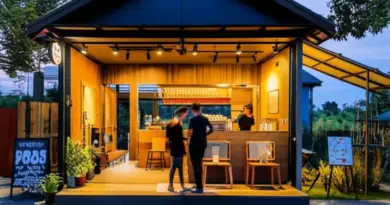
The term “knock-down” refers to structures that are engineered off-site and assembled on-site. In a dense, historic district like Phra Nakhon, where space is premium and preservation laws can be strict, knock-down coffee shops offer unique advantages. They minimize construction noise, reduce site waste, and allow for a smaller footprint, making them ideal for small plots of land or temporary pop-up concepts.
The Technical Advantages of Modular Cafes
- Speed of Deployment: Unlike traditional concrete construction, modular units can be installed in a matter of weeks, allowing business owners to start generating revenue faster.
- Sustainability: Precision engineering in a factory setting reduces material wastage significantly compared to traditional “wet” construction methods.
- Relocatability: Should the lease expire or the business model shift, these structures can be disassembled and moved to a new location, protecting the initial capital investment.
Comparative Analysis: Traditional vs. Knock-Down
| Feature | Traditional Brick & Mortar | Knock-Down/Modular |
|---|---|---|
| Construction Time | Months | Weeks |
| Flexibility | Permanent | High (Modular) |
| Cost Predictability | Variable (Hidden costs) | High (Fixed factory pricing) |
| Environmental Impact | High Waste | Low Waste |
| Aesthetics | Classic/Historic | Modern/Industrial |
Key Considerations for Opening a Knock-Down Cafe in Phra Nakhon
Before investing in a knock-down setup in this historic district, there are several regulatory and logistical hurdles to clear. Phra Nakhon has strict zoning regulations to protect its cultural heritage. Always ensure that your modular plans align with local building codes, even if the structure is considered “temporary.”
Checklist for Aspiring Cafe Owners
- Verify Land Zoning: Confirm that the specific plot allows for commercial structures.
- Permit Procurement: Even knock-down buildings require proper utility connections and safety permits.
- Infrastructure Readiness: Ensure the ground can support the weight of the modular unit without expensive foundation work.
- Climate Control: Given Bangkok’s heat, prioritize high-quality insulation and glass specifications to keep energy costs for air conditioning manageable.
- Design Integration: Use design elements that respect the surrounding historic architecture to gain community support.
The Future of Modular Commercial Spaces
The popularity of Knock-Down Coffee Shops in Phra Nakhon is likely to grow as technology improves. We expect to see more integration of smart-home technology within these cafes, such as automated lighting, energy-efficient climate control, and digital payment systems built directly into the structure’s framework. This evolution allows business owners to focus on what matters most: the coffee and the customer experience, rather than the logistics of building maintenance.
Conclusion
Choosing a knock-down structure for your coffee shop in Phra Nakhon is a strategic decision that balances modernity with the practical constraints of a historic city center. By leveraging modular technology, entrepreneurs can achieve a professional, durable, and highly functional space with minimal disruption to the existing urban fabric. Whether you are a first-time cafe owner or a seasoned investor, this construction method offers a compelling path forward in the competitive Bangkok market.
Frequently Asked Questions (FAQ)
A: Yes. Modern modular structures are engineered using steel frames and high-grade insulation materials designed to withstand tropical heat and heavy rainfall, provided they are maintained correctly.
A: In most cases, yes. Even if the structure is modular, it is considered a permanent or semi-permanent commercial structure and must comply with local Thai building regulations.
A: Absolutely. Most modular providers offer extensive customization options, allowing you to choose finishes, layouts, and window placements that reflect your brand identity.
References
For more information on building regulations and sustainable construction in Bangkok, consult the following resources: