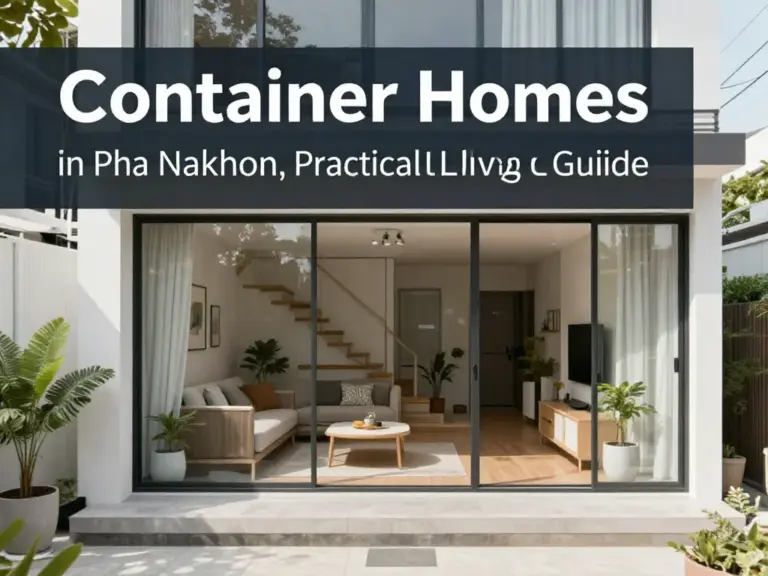
Container Homes in Phra Nakhon: A Practical Guide to Urban Living
The concept of living in repurposed shipping containers has captured the imagination of urban planners and minimalists worldwide. When considering container homes in Phra Nakhon, the historic heart of Bangkok, the conversation shifts from simple DIY projects to complex urban integration. This guide explores the feasibility, challenges, and unique opportunities of adopting container-based architecture in one of Thailand’s most culturally significant districts.
container homes in Phra Nakhon: The Feasibility of Container Architecture in Historic Districts
Phra Nakhon presents a unique set of constraints. As a district defined by its heritage, narrow soi (alleys), and strict building regulations, introducing modular container architecture requires a balanced approach. Unlike sprawling suburban plots, urban lots here are often tight, irregular, and surrounded by older infrastructure. However, the modular nature of containers allows for vertical stacking and precise fitting into challenging footprints, making them a potential solution for infill development.
Structural Advantages and Limitations
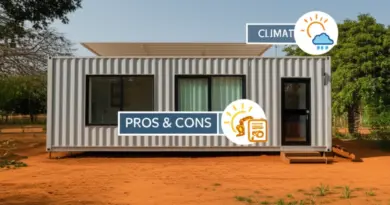
Steel shipping containers are inherently strong, designed to withstand harsh maritime environments. In the context of Phra Nakhon, these structures offer speed of construction—a critical factor when working in dense areas where prolonged noise and dust are disruptive. Yet, one must account for thermal conductivity. Steel absorbs heat rapidly, a significant drawback in Bangkok’s tropical climate. Proper insulation, ventilation, and orientation are non-negotiable for habitable spaces.
Comparison: Traditional Construction vs. Container Homes
| Feature | Traditional Brick/Concrete | Container Homes |
|---|---|---|
| Construction Speed | Slow (months) | Fast (weeks) |
| Cost Efficiency | Variable | High (if modular) |
| Thermal Regulation | Moderate to High | Requires significant insulation |
| Flexibility | Rigid | High (Modular) |
| Foundation Needs | Deep piling required | Minimal footprint/lighter |
Key Considerations for Your Project
Before committing to building container homes in Phra Nakhon, you must navigate several practical hurdles. Success depends on planning, local compliance, and climate control strategies.
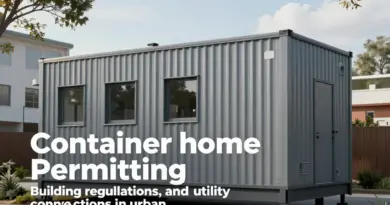
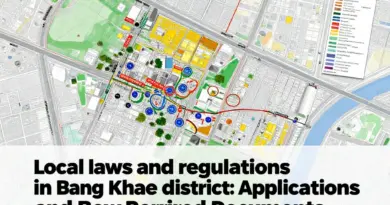
- Zoning and Permits: Always check with the Phra Nakhon district office regarding building codes. Even modular structures must adhere to safety and fire regulations.
- Logistics: Transporting containers into the narrow streets of Old Town requires specialized crane services. Assess site access early.
- Heat Management: Invest in high-quality spray foam insulation or ventilated facades to keep the interior cool.
- Foundation: While lighter than concrete, containers still require stable foundations to prevent sinking in Bangkok’s soft soil.
Sustainable Urban Living
Embracing the circular economy is a major benefit of using containers. By repurposing steel structures that would otherwise sit idle, you reduce the carbon footprint associated with new construction materials. In a district like Phra Nakhon, which is increasingly focused on heritage preservation, a modern, minimalist container structure can serve as a striking contrast, provided it is designed with respect for the surrounding neighborhood scale.
Conclusion
Building container homes in Phra Nakhon is not a simple task, but it is an innovative one. It requires a blend of architectural creativity, strict adherence to local regulations, and a deep understanding of tropical climate management. For those willing to navigate the complexities of urban development, shipping container architecture offers a path to unique, sustainable, and efficient living in the heart of Bangkok.
Frequently Asked Questions (FAQ)
Yes, provided they comply with the Building Control Act. You must obtain proper construction permits and ensure your plans meet safety, structural, and fire regulations as required by local authorities.
Effective insulation is crucial. Use spray foam or mineral wool insulation, install reflective roof coatings, and ensure cross-ventilation. Proper orientation of windows and doors also plays a significant role in keeping the interior cool.
The primary advantage of container homes is their modular nature. While they are designed to be mobile, moving a finished home requires professional logistics, including cranes and heavy-duty transport, which can be costly.