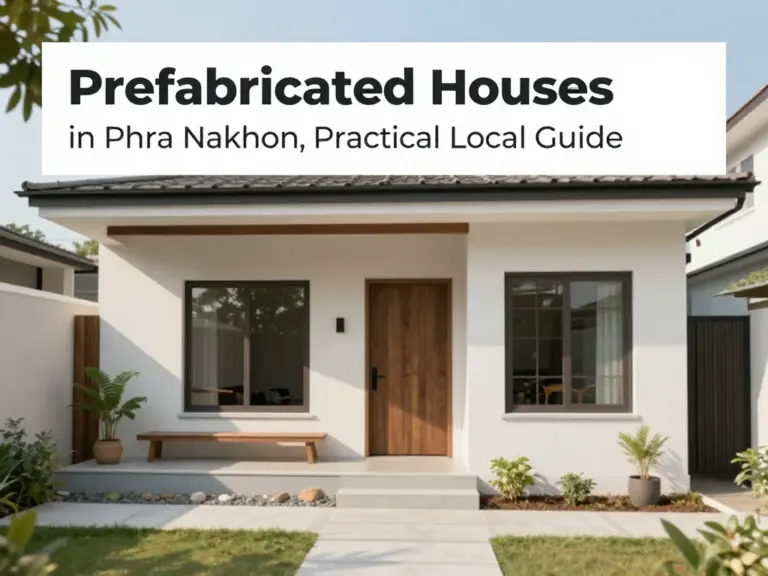
Prefabricated Houses in Phra Nakhon: A Practical Local Guide
- Prefabricated Houses in Phra Nakhon: A Practical Local Guide
Building a home in the heart of Bangkok’s historic district requires a blend of respect for tradition and an embrace of modern efficiency. For those considering prefabricated houses in Phra Nakhon, the appeal is clear: speed, precision, and reduced site disturbance in a densely populated urban environment. This guide explores how modular and pre-engineered construction methods can fit into the unique architectural and regulatory landscape of Phra Nakhon.
prefabricated houses in Phra Nakhon: Why Choose Prefabricated Construction in Phra Nakhon?
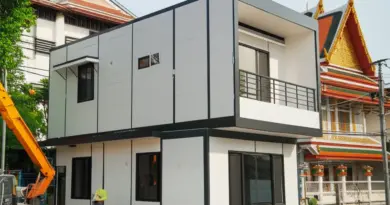
Phra Nakhon is characterized by its historic charm, narrow streets, and strict building height restrictions near heritage sites. Traditional “wet” construction (pouring concrete on-site) often leads to noise, dust, and prolonged traffic disruptions. Prefabricated construction, or “off-site manufacturing,” offers a distinct advantage by shifting the bulk of the work to a controlled factory environment.
By the time your components arrive in Phra Nakhon, they are ready for rapid assembly. This dramatically shortens the on-site timeline, minimizing the impact on your neighbors and reducing the risk of weather-related delays—a significant factor in Thailand’s tropical climate.
Understanding the Local Regulatory Landscape
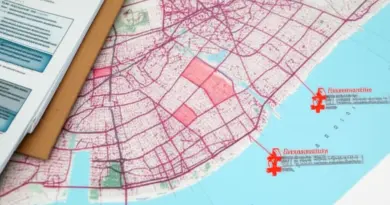
Before finalizing your plans for prefabricated houses in Phra Nakhon, it is crucial to understand the local planning permissions. Phra Nakhon contains many protected zones and historic conservation areas. Even if your home is built in a factory, it must strictly adhere to the Bangkok Metropolitan Administration (BMA) building codes.
Comparison: Traditional Construction vs. Prefabrication
| Feature | Traditional Construction | Prefabricated Construction |
|---|---|---|
| Construction Speed | Slow (months to years) | Fast (weeks to months) |
| Site Waste | High | Minimal |
| Cost Predictability | Variable/Often Over Budget | High/Fixed Price |
| Quality Control | Dependent on site workers | High (Factory controlled) |
| Design Flexibility | High (Customizable on-the-fly) | Moderate (Locked in early) |
Key Factors for a Successful Build
Transitioning to a modular building approach requires a shift in mindset. You cannot make structural changes once the components leave the factory floor. To ensure success, follow these steps:
- Early Planning: Finalize your architectural drawings and interior layouts before signing the manufacturing contract.
- Logistics Assessment: Phra Nakhon’s streets can be tight. Verify that the delivery trucks can access your site without damaging overhead power lines or blocking narrow access roads.
- Foundation Synergy: Ensure your foundation design is perfectly compatible with the prefab structure’s connection points.
- Energy Efficiency: Modern prefab homes often feature superior insulation. Ask your manufacturer about heat-reflective roofing and double-glazed windows to combat the Bangkok heat.
Maintenance and Longevity
One common misconception is that prefabricated houses are “temporary.” Modern prefab homes are engineered to last as long as, or even longer than, traditional concrete structures. However, they do require specific maintenance. Because these structures often utilize steel frames or specialized panels, regular inspections for rust, joint seals, and weatherproofing are essential, especially given the high humidity of central Thailand.
Conclusion
Choosing prefabricated houses in Phra Nakhon is a smart, forward-thinking decision for those who value efficiency, quality control, and minimal disruption. While the process requires more rigorous planning upfront, the result is a modern, durable home that respects the character of one of Bangkok’s oldest districts. By partnering with reputable manufacturers and local experts, you can successfully integrate cutting-edge construction technology into this historic urban setting.
Frequently Asked Questions (FAQ)
Are prefabricated houses cheaper than traditional builds in Bangkok?
Not necessarily. While they save money on labor time and waste management, the cost of transport and specialized manufacturing can balance out the savings. However, they offer better cost predictability, reducing the risk of budget overruns.
Can I build a multi-story prefab house in Phra Nakhon?
Yes, many modern modular systems support multi-story designs. However, you must comply with strict local zoning laws and height restrictions prevalent in historic areas of Phra Nakhon.
How long does the on-site assembly take?
Once the foundation is prepared and the components are delivered, the actual assembly of the structure can often be completed in a matter of days or a few weeks, significantly faster than traditional methods.
Do I need a special building permit for a prefab house?
Yes. Regardless of construction method, you must obtain standard building permits from the local district office. The documentation requirements are generally the same as for traditional houses.
References
Bangkok Metropolitan Administration (BMA) – Official Building Regulations